
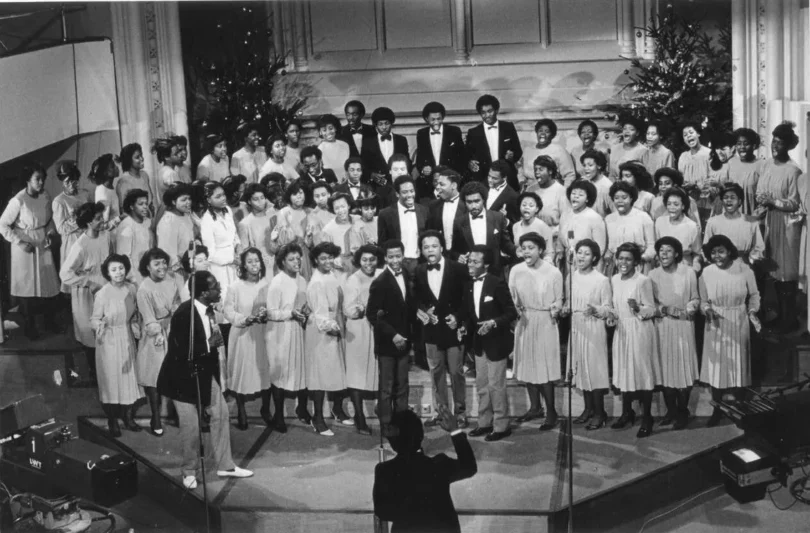
Gospel music is one of the most powerful and influential styles of Christian music in the world. Many people search on Google for “history of gospel music”, “origin of gospel music”, and “who started gospel music.” This topic attracts readers because it connects faith, culture, and music in a strong way.
In this article, we look at the history of gospel music, where it started, how it grew, and how it became popular around the world.
The Origin of Gospel Music
Gospel music began from early Christian church traditions. In the 18th and 19th centuries, Christian communities used songs and hymns in worship services. These songs were simple, spiritual, and based on Bible teachings.
In the United States, gospel music was strongly shaped by African American church communities. They mixed Christian hymns with African musical styles like strong rhythms, call-and-response singing, and deep emotional expression. This created a unique and powerful worship sound.
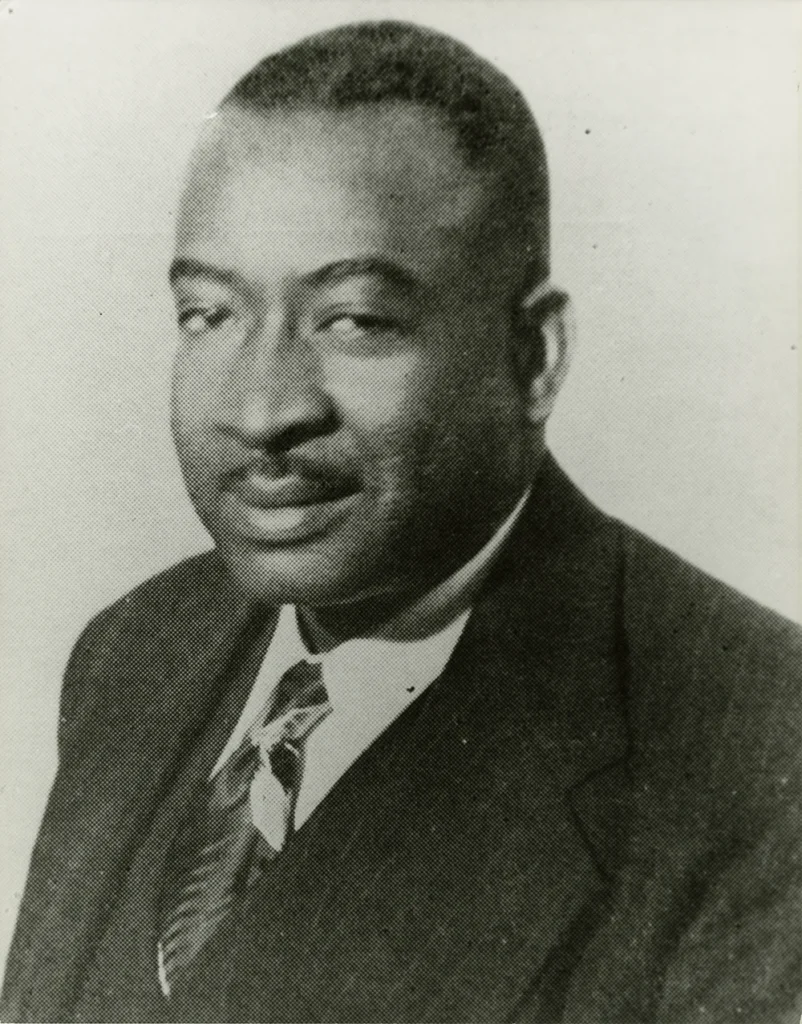
Gospel Music in the Early 20th Century
Modern gospel music started to take clear shape in the early 1900s. One of the most important figures in gospel history is Thomas A. Dorsey, often called the father of gospel music. He combined Christian lyrics with blues and jazz styles.
At first, some churches did not accept this new sound because it was different from traditional hymns. But later, people saw how deeply it touched hearts. Gospel choirs became popular, and churches started using gospel songs more often in services.
Popular early gospel themes included:
- Salvation
- Hope in hard times
- Trust in God
- Heaven and eternal life
The Rise of Gospel Choirs and Groups
Between the 1930s and 1960s, gospel choirs and small singing groups grew very fast. Churches formed organized choirs with strong vocal harmony. Gospel quartets and family groups also became famous.
Radio helped spread gospel music to many homes. People who could not attend church could still listen to gospel songs through broadcasts. This increased the audience and demand for gospel music recordings.
During this period, gospel music became both a worship tool and a performance art.
Gospel Music Goes Global
From the 1970s until today, gospel music has spread across the world. It is now popular in Africa, Europe, Asia, and Latin America. Countries like Tanzania, Nigeria, South Africa, and the USA have strong gospel industries.
Modern gospel music includes many styles:
- Contemporary gospel
- Worship gospel
- Afro-gospel
- Gospel hip hop
- Gospel pop
Artists now use digital platforms like YouTube, blogs, and streaming services to share gospel songs globally. This is why searches like “latest gospel songs” and “gospel music download” are very common on Google.
Why the History of Gospel Music Still Matters
Understanding the history of gospel music helps believers and listeners appreciate its message more deeply. It shows how faith, struggle, and culture worked together to create a music style that brings hope and encouragement.
Gospel music is not just entertainment — it is a message carried through generations.
Conclusion
The history of gospel music shows a journey from simple church hymns to a global sound that reaches millions of people today. From early spiritual songs to modern worship hits, gospel music continues to grow and inspire.
It remains one of the strongest ways to share the good news through music.